- +91-9940539135
- drkkbrainsurgeon@gmail.com
Advanced. Comprehensive. Personalised.
Neurosurgical Conditions and Treatment Information in Chennai
Information about assessment and treatment options for selected brain, spine and nerve conditions. Management may be surgical or non-surgical depending on the diagnosis.
What is Comprehensive Brain Care?
The brain controls every thought, movement, emotion and body function. When a neurological condition develops, it can affect quality of life and may become serious if not treated on time.
Comprehensive Brain Care means a complete, patient-centred approach that includes accurate diagnosis, advanced treatment, surgical expertise, rehabilitation and long-term follow-up. We treat a wide spectrum of brain and neurological conditions using the latest evidence-based practices and state-of-the-art technology.
Our goal is simple — to deliver safe, precise and effective care that helps patients return to their normal life with confidence.
Our Approach
- Accurate diagnosis with advanced imaging
- Personalised treatment tailored to each patient
- Advanced microsurgical & endoscopic techniques
- Compassionate care and continuous support
- Focus on long-term recovery and quality of life
Brain & Neurological Conditions We Treat
Brain Tumors
Treatment for benign and malignant brain tumors using advanced microsurgery, neuronavigation and minimally invasive techniques.
Stroke & Cerebrovascular Disorders
Comprehensive care for stroke, brain hemorrhage, aneurysm, AVM and other vascular malformations.
Neuro Oncology
Advanced neuro-oncology services including surgery, chemotherapy coordination and long-term management of brain cancers.
Epilepsy Surgery
Evaluation and surgical treatment for drug-resistant epilepsy to help achieve better seizure control.
Hydrocephalus
Diagnosis and treatment for hydrocephalus in adults and children including shunt and ETV.
Head Injury & Trauma
24/7 care for traumatic brain injuries, bleeding, fractures and other emergencies.
Pituitary Disorders
Endoscopic endonasal and microsurgical treatment for pituitary tumors and hormonal imbalances.
Trigeminal Neuralgia
Microvascular decompression and other advanced treatments for facial pain.
Functional Neurosurgery
Treatment for Parkinson’s disease, dystonia, tremors and other movement disorders.
How We Diagnose
Symptoms That Need
Neurological Evaluation
Do not ignore persistent or worsening symptoms. Early evaluation can prevent complications and improve outcomes.
- Persistent or severe headache
- Seizures or fits
- Weakness or numbness in limbs
- Vision changes or double vision
- Speech or memory difficulties
- Loss of balance or coordination
- Sudden confusion or behaviour changes
- Head injury or loss of consciousness

Clinical Evaluation
Comprehensive neurological assessment.
MRI / CT Scan
Precision imaging for diagnosis.
Advanced Studies
Angiography, neurophysiology and lab tests.
Treatment Planning
Patient-Centric Treatment Planning
Follow-up
Continuous follow-up for safe recovery.
How We Diagnose
Clinical Evaluation
Comprehensive neurological assessment.
MRI / CT Scan
Precision imaging for diagnosis.
Advanced Studies
Angiography, neurophysiology and lab tests.
Treatment Planning
Patient-Centric Treatment Planning
Follow-up
Continuous follow-up for safe recovery.
Our Treatment Approach
Every patient is unique. We follow a multidisciplinary and evidence-based approach to deliver the best possible outcomes.
Medication & Monitoring
Some conditions can be managed with medicines and regular monitoring.
Minimally Invasive Neurosurgery
Endoscopic or minimally invasive approaches may be suitable for selected conditions. Recovery, discomfort and scarring vary by procedure and patient.
Open Neurosurgery
Advanced microsurgical techniques for complex conditions requiring maximum precision and safety.
Rehabilitation
Physiotherapy, cognitive therapy, speech therapy and emotional support for complete recovery.
Long-term Follow-up
Structured follow-up to monitor progress and prevent future complications.
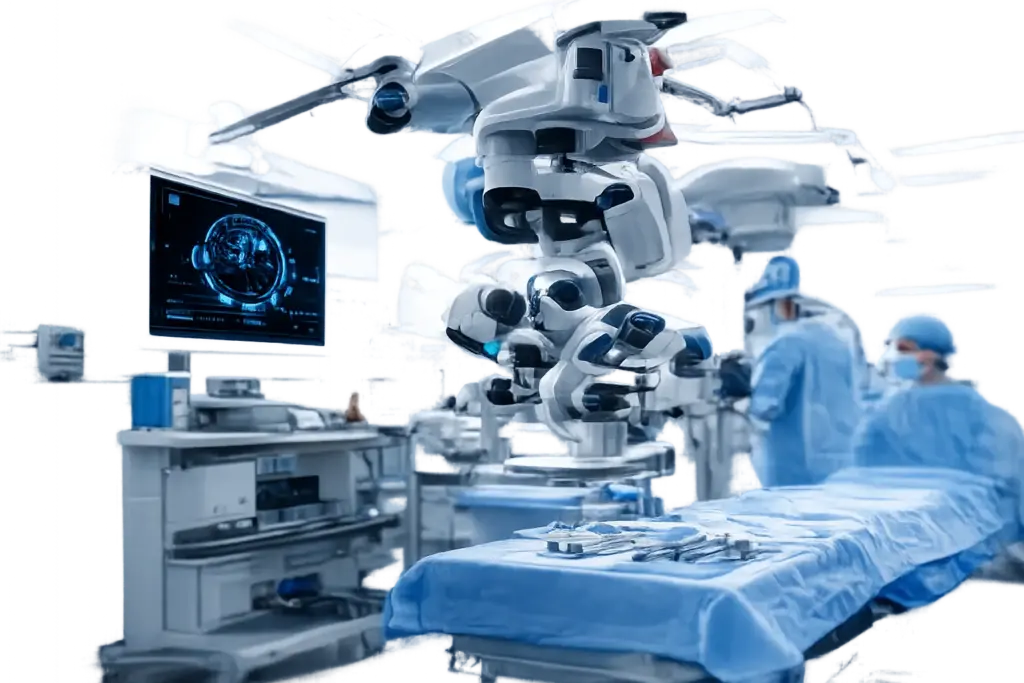
Technology Used in Neurosurgical Assessment and Treatment
Equipment and imaging capabilities vary by hospital and procedure. Available techniques are selected according to the clinical situation.
- Neuronavigation for precise surgical planning
- Operating Microscope for delicate surgeries
- Endoscopic & Minimally Invasive Systems
- Intraoperative Neuro Monitoring
- Advanced ICU & Neurocritical Care
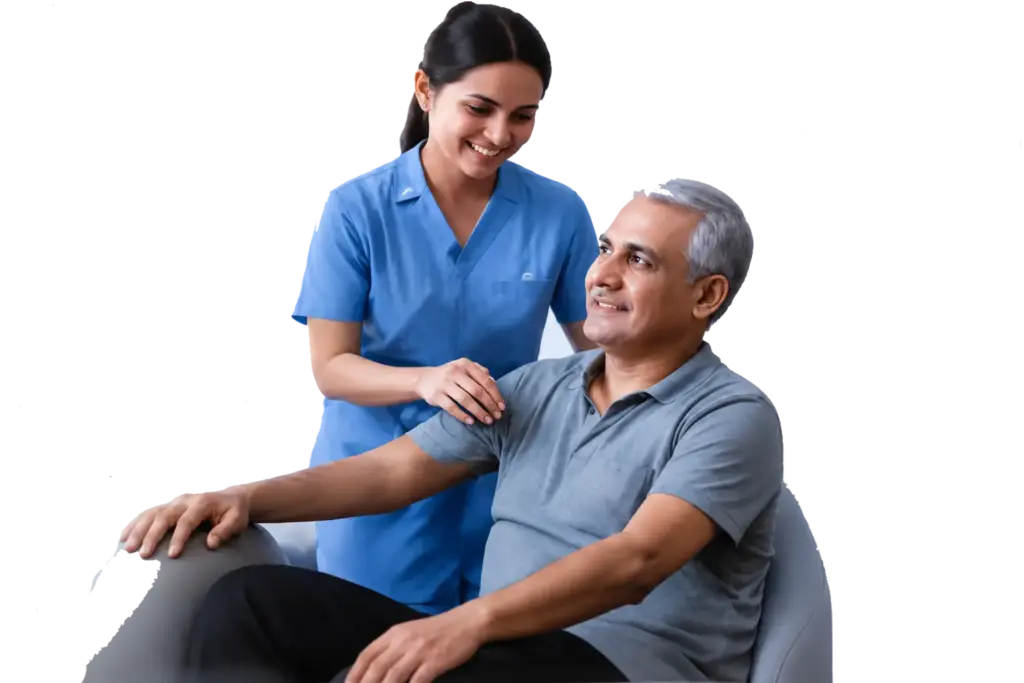
Recovery & Rehabilitation
Recovery is a journey. Our rehabilitation programs focus on physical recovery, cognitive improvement and emotional well-being.
- Pain management
- Physiotherapy & mobility training
- Speech & cognitive therapy
- Nutritional guidance
- Emotional & psychological support
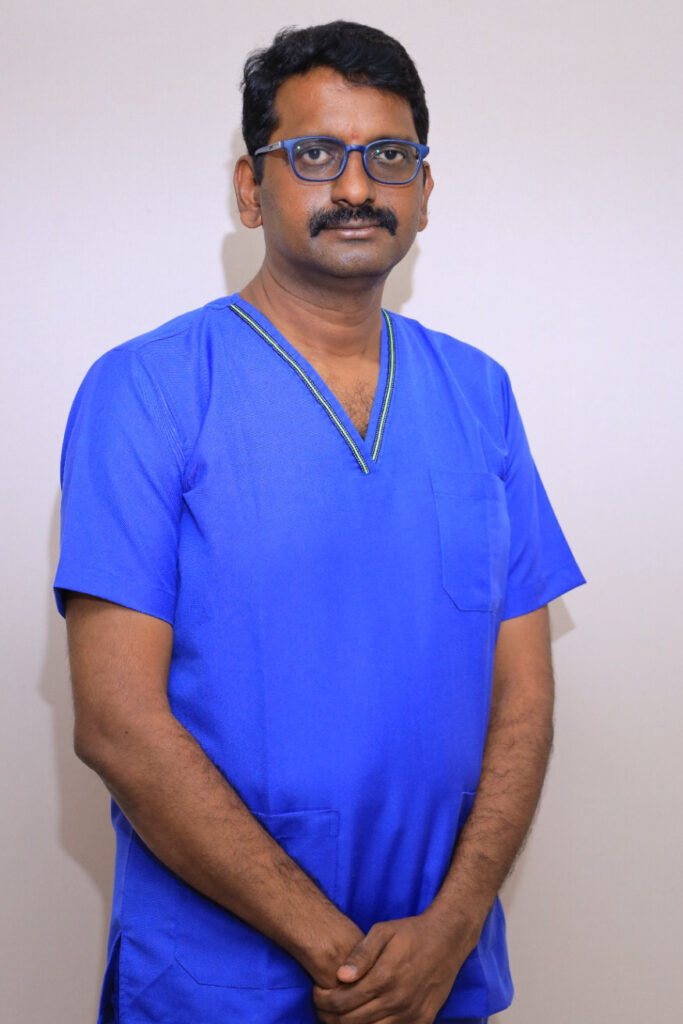
Why Choose Dr. G Krishna Kumar?
With over a decade of experience in complex brain and spine surgeries, Dr. Krishna Kumar provides world-class neurosurgical care with compassion, precision and advanced technology.
- 11+ years of dedicated neurosurgical experience
- Specialised training in advanced brain & spine surgeries
- Associated with leading multi-speciality hospitals in Chennai
- Clinical training and experience in neurosurgical assessment and treatment
- Patient-first approach with ethical and transparent care
Need Expert Brain & Neurosurgical Care?
Take the first step towards better brain health. Our team is here to help you.
Frequently Asked Questions
What symptoms indicate a brain problem?
Brain-related symptoms can vary, but common signs include persistent headaches, dizziness, memory problems, seizures, numbness, weakness, difficulty speaking, blurred vision, or changes in balance and behavior. If symptoms are sudden, severe, or continue to worsen, it’s important to seek medical evaluation promptly.
When should I see a neurosurgeon?
You should see a neurosurgeon if you experience persistent headaches, chronic neck or back pain, numbness, weakness, seizures, balance problems, or symptoms affecting the brain, spine, or nerves. Early consultation is recommended if symptoms are severe, recurring, or impacting daily life.
| Brain surgery has potential benefits and risks. The level of risk varies by diagnosis, procedure, overall health and other factors, and should be discussed during clinical assessment. |
What is the recovery time after brain surgery?
Recovery time after brain surgery varies depending on the type of procedure, the condition treated, and the patient’s overall health. Most patients may return to light activities within a few weeks, while full recovery can take several weeks to a few months. Your neurosurgeon will provide a personalized recovery plan based on your progress.
What is the success rate of brain surgery?
The success rate of brain surgery depends on the type of condition, the complexity of the procedure, and the patient’s overall health. Many brain surgeries have high success rates when diagnosed early and performed by an experienced neurosurgical team, with treatment plans tailored to each patient’s needs.
How long will I need to stay in the hospital?
The length of hospital stay depends on the type of brain surgery, your recovery progress, and overall health. Many patients stay for a few days to a week, while more complex procedures may require a longer stay for monitoring and rehabilitation.
What are the risks of brain surgery?
Like any major procedure, brain surgery carries some risks, including infection, bleeding, swelling, reactions to anesthesia, and temporary or permanent changes in movement, speech, memory, or vision. However, your neurosurgeon will carefully evaluate the benefits and risks and take every precaution to ensure the safest possible outcome.
Can brain tumors be completely cured?
Some brain tumors can be completely treated or cured, especially if they are non-cancerous (benign) and can be safely removed. For other tumors, treatment may focus on controlling growth and improving quality of life through surgery, medication, radiation therapy, or a combination of treatments.
Related Services
- Brain Tumor Surgery
- Stroke Treatment
- Neuro Oncology
- Skull Base Surgery
- Epilepsy Surgery
- Pituitary Tumor Surgery
Consultation Locations and Appointment Information
Early diagnosis and expert care can make a life-changing difference.
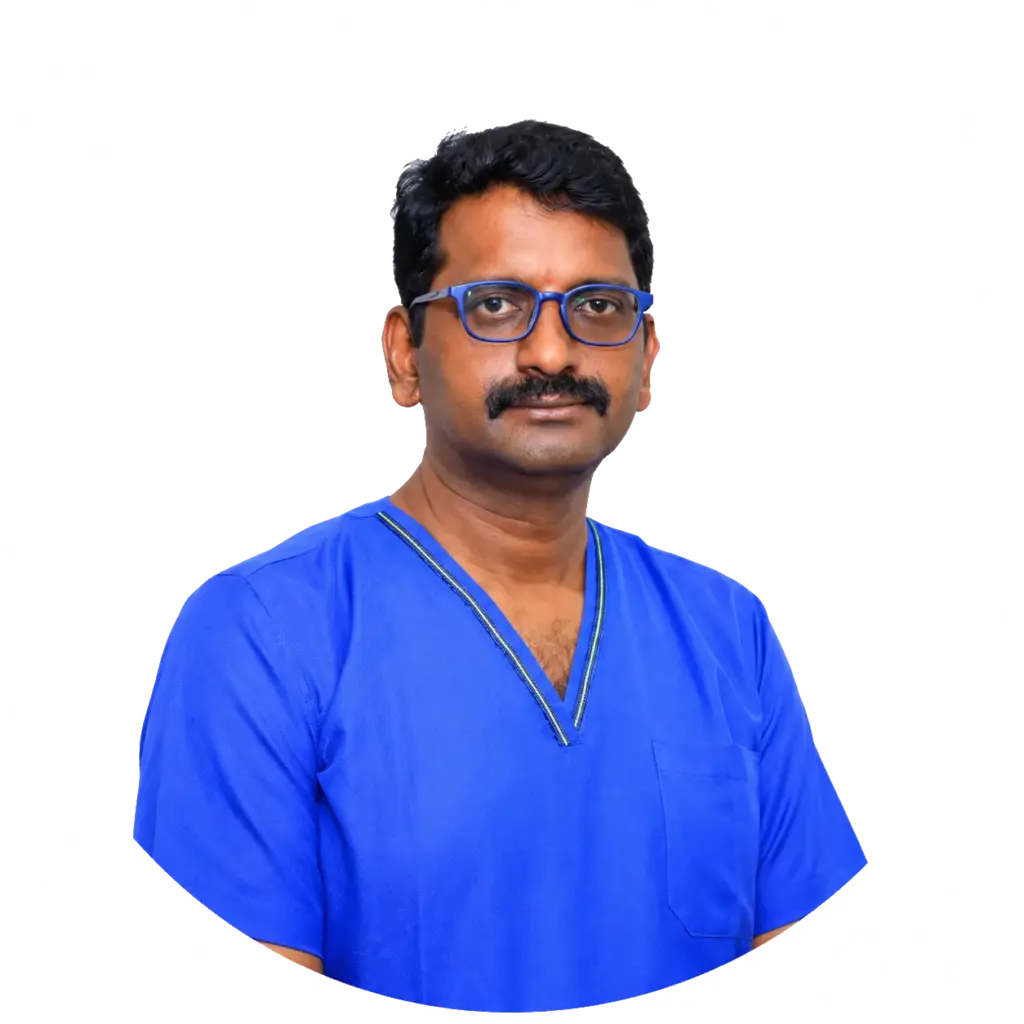
Providing advanced neurosurgical care with compassion, precision and commitment to better outcomes.
Quick Links
Patient Info
- Patient Guide
- Insurance
- FAQs
- Testimonials
Our Hospitals
- Bloom Hospital
- SRM Prime Hospital
- Avinash Hospital
- COSH Hospital
Contact Us
- +91-9940539135
- drkkbrainsurgeon@gmail.com
- Mon - Sat (6.00 am - 9:00 pm)
Address
- 1. SRM Prime Hospital Ramapuram Chennai - 8 to 3.30pm
- 2. Bloom Hospital Velachery 5-7pm
- 3. Avinash Hospital Kovilambakkam by appointment only in evening
- 4. COSH Hospital East Tambaram by appointment only in evening
© 2026 drkrishnakumarneurosurgeon. All Rights Reserved.
- Privacy Policy
- Terms & Condition
- Website by ZovoWorks